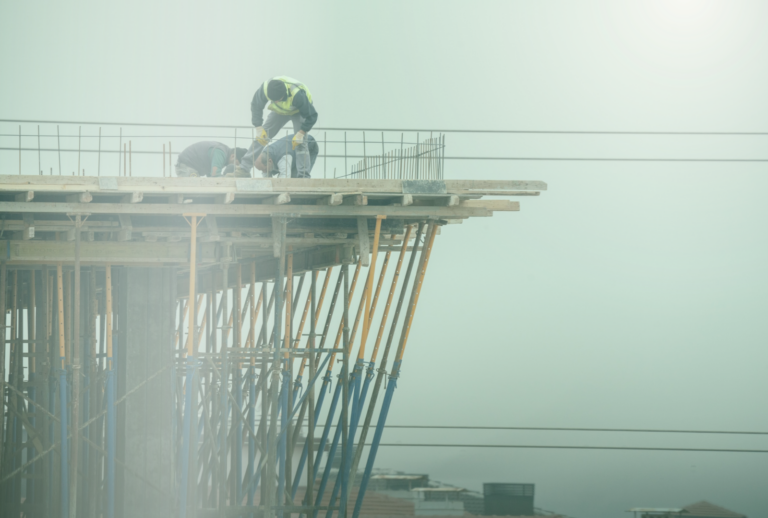
AOE/COE Investigations: A Guide to Workers’ Comp Insurance Claim Validation
October 28, 2026
In the world of workers’ compensation insurance, the validity of a claim hinges entirely on a single, fundamental legal threshold. For an injury to be compensable, it must be proven that the incident occurred during the course of regular employment.
To determine this, claims adjusters, self-insured employers, and defense attorneys rely on a specialized forensic protocol known as an AOE/COE investigation.
Whether you are trying to understand the baseline meaning of these terms or looking to partner with a professional AOE/COE investigator to mitigate exposure on a suspicious file, this guide breaks down the legal definitions, the modern challenges of claim validation, and how professional intelligence protects your bottom line.
The Meaning of AOE/COE
AOE/COE is an industry acronym that defines the two-part test a workers’ compensation claim must pass to be deemed legitimate.
- AOE (Arising Out of Employment): This looks at the causal relationship between the employment and the injury. Did the work environment, a specific job duty, or an employment hazard directly cause the injury?
- COE (Course of Employment): This looks at the time, place, and circumstances of the injury. Was the employee actively performing services for their employer when the injury occurred, and were they doing so within their authorized working hours and physical boundaries?
If an injury occurs while an employee is off the clock, engaging in a personal errand, or participating in an unauthorized activity, the claim fails the AOE/COE test and is not the financial responsibility of the employer or carrier.
When to Deploy an AOE/COE Investigator
Not every workplace injury requires an in-depth investigation. However, when a claim lacks witnesses or features conflicting details, an independent AOE/COE investigator should be deployed immediately.
Modern workspaces have introduced complex scenarios that make verifying these claims harder than ever:
1. The Remote Work Conundrum
With millions of employees working from home, the boundaries of the traditional workplace have blurred. If an employee claims they tripped over their laptop cord and injured their back at 2:00 PM in their home office, is it compensable? What if they tripped over their dog while getting a snack in the kitchen? An investigator must dig deep to establish whether the employee was actively performing a work task at the exact moment of the injury.
2. The Traveling Employee and Coming/Going Rule
Generally, injuries sustained during a routine daily commute to and from work are excluded from workers’ comp (known as the “Coming and Going Rule”). However, exceptions exist for traveling salespeople, employees running special errands for management, or portal-to-portal workers. An investigator may reconstruct the precise geography and timeline of the incident to see if a deviation for personal reasons occurred.
3. Deliberate Delays and Complex Injuries
When a worker alleges a cumulative trauma injury (like carpal tunnel or degenerative joint strain) or a stress-related psychological claim, pinpointing the AOE/COE baseline is incredibly difficult. Furthermore, if an employee reports an acute injury weeks after it allegedly happened, it leaves an enormous window of time where the injury could have actually occurred during a weekend sports game or a side job.
The Anatomy of an Expert AOE/COE Investigation
A professional AOE/COE inquiry is a race against time. Memories fade, physical evidence disappears, and social media footprints get locked down. An elite private intelligence firm handles the investigation through a multi-layered approach:
Forensic Claimant & Witness Interviews
An investigator may conduct formal, recorded interviews with the claimant, supervisors, and any eyewitnesses. The goal is to secure a meticulous, chronological narrative of the event. Investigators look for discrepancies between the initial report and the formal statement, and cross-reference these accounts with the physical layout of the incident scene.
Digital Footprint & Background Analysis
Before or alongside field operations, analysts execute comprehensive open-source intelligence (OSINT) sweeps. They review public social media posts, fitness tracking data, and online marketplace activity to see if the claimant was active elsewhere when they claimed to be incapacitated, or if they have a history of filing identical workers’ comp claims with prior employers.
Medical Canvassing & History Verifications
To address cumulative or delayed claims, investigators often perform medical canvasses within a strategic radius of the claimant’s home and work. Uncovering a medical record showing the claimant was treated for the exact same back pain prior to the alleged workplace incident can completely defeat the AOE argument.
Why Internal Teams Partner with External Investigators
By partnering with an independent external intelligence agency like R&D, internal teams secure three distinct advantages:
- Unbiased Documentation: An external investigator provides a neutral, third-party look at the facts. This objective stance prevents plaintiff attorneys from claiming the insurance company was biased or acting in bad faith during the initial claim evaluation.
- Trial-Ready Evidence: Professional investigators maintain a pristine, documented chain of custody for all statements, digital files, and scene photographs, ensuring the entire package is immediately admissible if the claim is contested or headed to a workers’ comp appeals board.
- Seamless Surveillance Integration: If the initial AOE/COE interview and file review reveal a strong likelihood of fraud, the external agency can seamlessly transition the file to a targeted surveillance operation, saving the carrier the time and energy of engaging a new vendor and bringing them up to speed.
Protect Your Business from Fraudulent Claims
Validating the causal link of a workplace injury requires an investigative partner that acts quickly, understands local labor laws, and knows how to uncover hidden evidence. At R&D Investigations, we deliver the thorough AOE/COE statements, site inspections, and deep-dive background and social media intelligence required to confidently determine the legitimacy of any workers’ compensation claim.
Contact us today to discuss your active file or assign a case to our specialized insurance investigation teams immediately.