
The Role of Surveillance in Workers’ Compensation Investigations
May 21, 2026
When an employee is injured on the job, the workers’ compensation system is designed to provide necessary medical coverage and wage loss support. The vast majority of claims are filed by honest workers who genuinely need assistance. However, when discrepancies arise or a claim involves significant long-term payouts, insurance providers and employers need to ensure the validity of the case.
In these situations, surveillance serves as a crucial tool for uncovering the truth.
But what exactly is the role of surveillance in workers’ compensation investigations, and how is it used to protect the integrity of the system?
What Is Workers’ Compensation Surveillance?
Workers’ compensation surveillance is the practice of monitoring an individual’s daily activities to determine whether their physical capabilities and behaviors align with their reported injuries and medical restrictions.
While it can sound intimidating, legal and ethical surveillance is a standard practice used to evaluate high-value or disputed claims. Investigators compile a comprehensive, objective record of what a claimant is doing in public.
Common methods used in these investigations include:
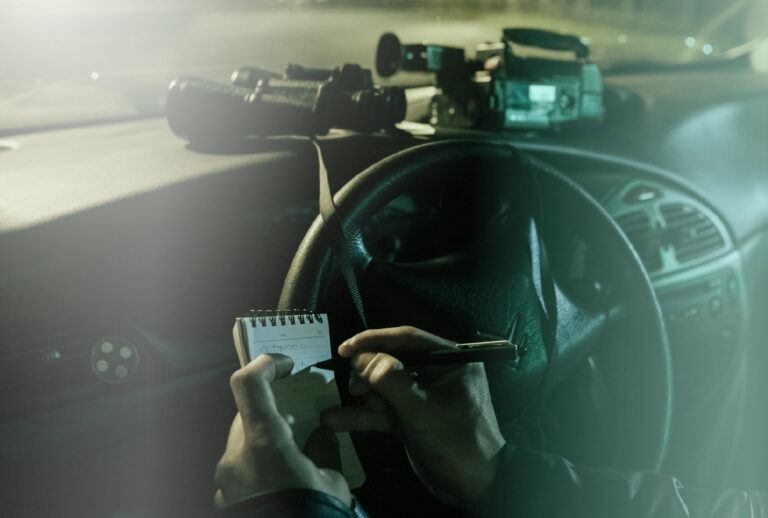
- In-Person Video Observation: Field investigators use high-definition video and photography to document activities in public view, such as walking, driving, lifting, or performing manual tasks.
- Activity Checks: Monitoring patterns of daily life to check if the individual is engaging in physical labor or side work that contradicts their injury status.
- Background and Social Media Investigations: Reviewing public digital footprints to cross-reference reported limitations with recent activities or travel.
Why Do Insurance Companies and Employers Use Surveillance?
Insurers don’t initiate investigations for every minor injury. Instead, they reserve surveillance for cases where the long-term benefit of exposure is significant, the recovery time is unusually long, or there are inconsistencies between the medical diagnosis and the individual’s reported capabilities.
The primary goals of these investigations include:
1. Preventing and Detecting Fraud
While rare, fraudulent claims place a massive financial burden on businesses and the insurance system. Surveillance helps expose false claims, ensuring that compensation is reserved for those who truly need it.
2. Verifying the Extent of Disability
Pain can be subjective. Surveillance helps provide concrete, objective evidence on how an individual functions during their day-to-day life. This helps adjusters verify whether the claimant is adhering to a treating physician’s documented restrictions or if they are performing tasks that exceed them.
3. Gathering Court-Admissible Evidence
If a dispute heads to an administrative hearing or trial, video evidence and investigator testimony provide a clear, demonstrative context to help judges make a fair ruling.
The Legal Boundaries of Workers’ Comp Investigations
A common misconception is that investigators can use any means necessary to get footage. In reality, professional investigators adhere to strict legal boundaries:
- No Trespassing: Surveillance must be conducted from public spaces like streets, walkways, or public venues.
- No Private Spaces: Investigators cannot enter private property, peer through windows, or record inside a private residence.
- Respecting Privacy Laws: All evidence gathered must comply with state and local regulations regarding privacy and the use of recording devices.
Typical Requirements for Court-Admissible Evidence
If a case reaches a hearing, the surveillance material must meet specific, objective criteria to be considered valid by a judge. The required materials almost always include:
- Clear Identification: A clear, identifiable image of the claimant without evidence of tampering or distortion.
- Timestamps: Accurate time and date stamps on all video or photographic evidence.
- Chain of Custody: Thorough documentation of the investigator’s license, professional reputation, and methods.
Why Work With Professional Insurance Investigators?
Surveillance is a highly specialized field that requires patience, legal knowledge, and technical skill. For insurance examiners, risk managers, and defense attorneys, relying on amateur methods can result in unusable or legally compromised evidence.
A licensed, experienced private investigation agency ensures that all documentation is accurate, objective, and court-admissible–benefiting the process by bringing the truth to light.
Need Actionable Evidence for a Disputed Claim?
If you are managing a complex, high-value workers’ compensation claim and need clear, reliable evidence, contact our investigation team for a confidential consultation.
Disclaimer: The information provided on this website is for general informational purposes only and does not constitute legal or professional advice. R&D Investigations does not provide legal counsel or direction. For specific legal guidance related to a claim, dispute, or corporate transaction, please consult with a qualified attorney.